“Did you get the call yet?”
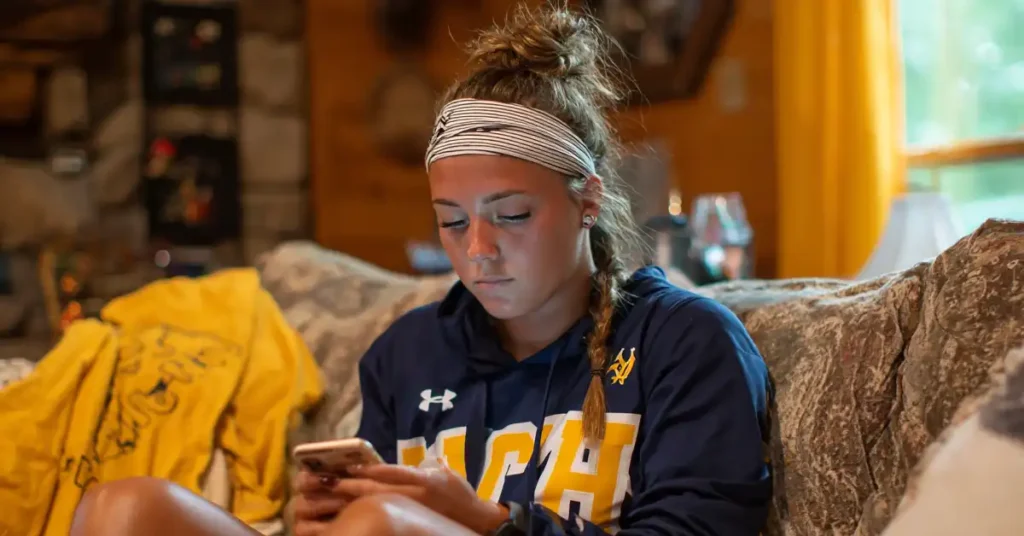
By the time the sun comes up on September 1, that question is flying through group chats, locker rooms, and text threads all over the country. For high school juniors who dream of playing college softball, it is the circled date. It is the moment when NCAA Division I coaches are officially allowed to reach out and make direct contact.
For some, the phone lights up with calls and texts. For others, silence. Either way, the temptation is to see the day as a verdict. It is not. September 1 is important, but it is not the finish line. It is a first checkpoint in a long and winding process. What matters most is how you handle the days, weeks, and months that follow.
The Rulebook: What Actually Changes on September 1
According to NCAA Division I recruiting rules, coaches are not allowed to directly contact athletes until September 1 of the junior year. Before that, communication is limited to camp invitations, general questionnaires, or notes passed along through a third party such as a club coach. Athletes can send information to schools, but coaches cannot reply directly.
Once the clock strikes September 1, that restriction lifts. Coaches can now email, text, call, schedule unofficial visits, and even make scholarship offers. For the very top recruits, those conversations sometimes start immediately. But for the majority of players, the process unfolds much more gradually.
The timelines are different for other levels:
Division II coaches can start contacting prospects on June 15 after the sophomore year. Many athletes who are not immediate DI priorities find their first serious opportunities at this point.
Division III and NAIA schools have even looser timelines. They can reach out at any time and often focus later in the process when athletes have a clearer idea of what they want academically.
Junior colleges operate with maximum flexibility, and many of their rosters are built with late bloomers or transfers.
Knowing these timelines helps families keep perspective. Just because a DI coach does not call on September 1 does not mean doors are closed. In fact, other levels may be better suited to a player’s needs and may provide earlier, more consistent contact.
What It Feels Like vs. What It Actually Means
September 1 creates an emotional rollercoaster. It is natural to measure yourself against teammates and competitors, but the reality is that every recruiting path looks different.
Scenario 1: “I got multiple calls and offers right away.”
This is exciting, but it is not the finish line. An early offer is not a guarantee of long-term happiness. Use this time to ask questions and gather information. Visit campuses, watch how coaches interact with their current players, and evaluate whether the program matches your academic and personal goals. A fast offer might feel flattering, but it is better to be thorough than to commit quickly and regret it later.
Scenario 2: “I didn’t hear anything at all.”
This is far more common than most athletes realize. Many coaches take their time. Some want to see more games in the fall before making decisions. Others are waiting to see what happens with their rosters and the transfer portal. In some cases, they are interested but want the athlete to initiate contact first. The absence of a phone call on day one does not equal rejection. It means the process is just beginning.
For Juniors: What You Should Be Doing Now
If you are in the class that just became eligible, you hold more responsibility than you might think. Coaches are evaluating not only your talent but also how you communicate and how you handle yourself.
1. Make Contact
Do not sit back and wait. Send personalized emails to programs you are genuinely interested in. Include your graduation year, primary position, academic information such as GPA and test scores, and a highlight video. Keep the video short and focused on quality over quantity. Always include your upcoming schedule so coaches know when and where to see you play. The more specific and personal your communication, the better.
2. Prepare to Answer
If a coach calls, you need to be ready. That means answering your phone in a professional way, knowing something about the program, and having two or three thoughtful questions in mind. Coaches will notice if you sound rehearsed or uninterested. They want to know that you are genuinely curious about their program and that you have done some research.
3. Stay Visible
Coaches follow players on social media. Keep your accounts professional and softball-focused. Share highlight clips, tournament schedules, and updates about your progress. A sloppy or careless online presence can raise red flags quickly. Think of your social media as your public resume.
4. Be Patient
Not every opportunity will show up in the first week. Sometimes the best conversations happen months later. The fall recruiting season is long, and September 1 is just the start.
For Freshmen and Sophomores: How to Use This Period
If you are not yet eligible for direct contact, this is still a crucial time to learn and prepare.
Start building your list of potential schools. Think about academic programs, campus size, location, and athletic fit. Do not just chase big names. The best program is the one where you will thrive both on and off the field.
Be strategic about camps. Attend the schools where your skills match their needs. Going to every camp with a recognizable name is expensive and often ineffective. Quality is better than quantity.
Film your games. Coaches want to see defense, speed, and instincts as much as home runs. A well-edited two-minute video can open doors that stats alone cannot.
And above all, focus on academics. A strong GPA and test scores make you more attractive to every level of college softball. Academics are often the deciding factor between two athletes of similar ability.
Parents: The Line Between Support and Overstepping
Parents play a vital role, but the role is supportive, not managerial. This process is stressful enough without mom or dad taking the wheel. Your job is to provide guidance, structure, and encouragement. Let your daughter send her own emails. Let her talk on the phone with coaches. She needs to build confidence in her own voice.
What you can do is help her stay organized. Keep a shared calendar of tournaments, visits, and deadlines. Help her proofread communication, but do not write it for her. Offer perspective when she feels pressure, and remind her that recruiting is a marathon. Most importantly, avoid comparing her process to others. Every athlete has a different timeline, and comparison often adds unnecessary stress.
When the Attention Is Slow to Come
The majority of athletes do not get flooded with calls on September 1. And that is normal. Recruiting has changed dramatically in the past few years. With the transfer portal, COVID eligibility extensions, and budget considerations, rosters are more complicated than ever.
Some programs know exactly what they want early. Others wait until after fall showcases or even spring high school seasons to make final decisions. The fact that you are not getting calls on day one says little about your ability. It often comes down to roster needs, timing, and exposure.
If attention is slow, here is what to do:
Reevaluate your list of schools. Are you being realistic about where your skills fit?
Seek honest feedback from your club or high school coach. Sometimes an outside perspective is valuable.
Keep improving. Use the fall to get stronger, faster, and more consistent. Coaches notice development.
Stay open-minded. Many athletes find their best opportunities at strong mid-major DI programs, Division II schools, or even at the Division III and NAIA level.
The goal is not to get the fastest offer but to get the right offer.
What Success Actually Looks Like
Do not let highlight reels on social media define what success is supposed to look like. Success is not about committing early or picking the flashiest program. Success is finding a school where you fit academically, athletically, and personally. It is about choosing a coaching staff you trust and a program where you will grow.
Some players thrive in Power 5 conferences. Others find better opportunities in mid-majors, smaller conferences, or outside of Division I entirely. Plenty of All-Americans and professional players have come from non-Power 5 schools. Your goal should be fit, not prestige.
And remember that the transfer portal is full for a reason. Many athletes commit quickly to the wrong place and end up looking for a new home. Take your time, ask tough questions, and be honest with yourself about what matters most.
Final Tips for the Months Ahead
Do not spend hours scrolling social media to measure yourself against others. That picture is incomplete.
Keep training and improving. Fall tournaments and showcases are some of the best opportunities to be evaluated.
Ask coaches good questions when you talk to them. What do they value most in recruits? What does a typical day look like for their athletes? How do they support players academically?
Keep perspective. This is one chapter in a much bigger story.
Bottom Line
September 1 is a milestone, but it is not a verdict. It does not define your talent or your future. If your phone lights up, great. If it stays quiet, the process is still very much alive. The athletes who succeed are the ones who stay prepared, proactive, and patient. Recruiting is unpredictable, but with the right approach, you will find the fit that is right for you.