What Is NIL?
NIL stands for Name, Image, and Likeness—the right of athletes to make money off who they are and what they do. That includes:
Social media endorsements
Local business sponsorships
Running camps and clinics
Selling merchandise with their name or number
Signing autographs or making appearances
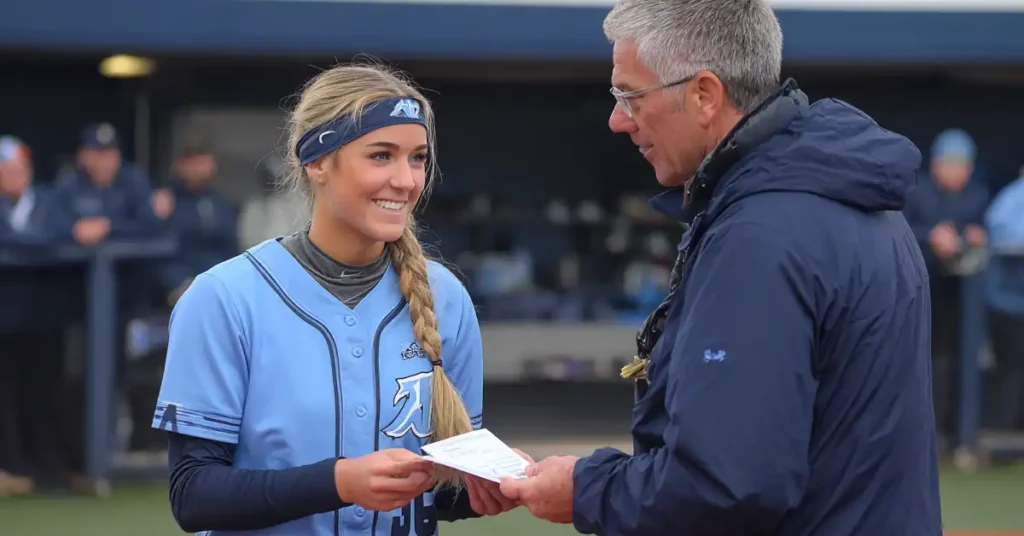
Until July 2021, NCAA rules banned athletes from doing any of this. Even if a player had 100,000 TikTok followers, monetizing that account could cost them eligibility. That wall came down when the NCAA adopted its interim NIL policy, opening the door for student-athletes to earn money while competing.
A Parent’s Example: NIL in Real Life
Imagine you’re a parent of a 2026 recruit, and on September 1 you get a call from a coach at a Power Four school. Here’s how that conversation might go:
Coach: “We really like your daughter’s game. She’s high on our board. One of the things we can offer here is not just scholarship support, but real NIL opportunities. Our athletes made about $5,000–$10,000 apiece last year through team sponsorships, and a few made significantly more.”
Parent’s Thoughts: That sounds great, but what does it actually mean?
This is where questions matter. Instead of just nodding along, you ask:
“Are those NIL opportunities organized through a collective, or are athletes responsible for securing them individually?”
“Does every athlete get something, or only the stars?”
“What compliance systems do you have to keep deals aboveboard?”
This example shows the new recruiting reality. NIL will come up in conversations, and families must be ready to separate real opportunities from vague promises.
Questions Softball Players Should Ask Coaches
About NIL Structure
Does the school have a collective or organized NIL support system?
What kind of deals have softball athletes earned here in the past?
Does the athletic department provide education or help connecting athletes to opportunities?
About Roster and Fit
How many players are you planning to carry with the new roster limits?
Do all rostered players get access to NIL support, or only starters?
About Balance
How do athletes manage NIL commitments alongside academics and training?
Are there restrictions on what brands or companies I can work with?
Should Athletes Hire Someone to Help With NIL?
This is one of the biggest questions families have. The answer: yes, but carefully—and legally.
Here’s what the rules allow:
Athletes are permitted to hire agents or representatives to help manage NIL deals.
These reps can negotiate contracts, help build brand strategies, and keep tax/compliance paperwork straight.
However, these reps must be NIL agents only. They cannot function as “sports agents” who negotiate professional playing contracts while the athlete is still in college.
What families should consider:
Legitimacy: Is the agent registered or certified by the state, school, or professional body? Many states require NIL agents to be licensed.
Fees: Most NIL reps take a percentage (10–20%) of deals. Families should understand the cost-benefit before signing.
Necessity: Not every athlete needs an agent. If NIL opportunities are small and local—say, a hometown car dealership or a youth camp—you may be better off handling it as a family. Once deals grow in complexity, having professional help makes sense.
The bottom line: It is legal to hire help. Just make sure you choose a compliant, reputable advisor, and don’t pay for services you don’t need.
Common Misunderstandings
Myth 1: NIL is only for stars.
Reality: While big names may land six-figure deals, many softball athletes earn steady supplemental income through camps, local sponsors, and social media.
Myth 2: Collectives guarantee money.
Reality: Not always. Some collectives distribute evenly, others concentrate on certain athletes. Families should ask how it works.
Myth 3: NIL deals are just free money.
Reality: Every NIL dollar is taxable income. Athletes must file properly or risk IRS trouble.
Myth 4: A coach’s NIL pitch = guaranteed cash.
Reality: Coaches can talk about opportunities, but nothing is locked in until deals are signed and reported.
NIL FAQs for Parents and Athletes
Q: Can my daughter sign NIL deals before she even arrives on campus?
Yes, committed athletes can often start NIL activities early, but rules vary by state and school. Always check compliance offices.
Q: What if we’re approached by a brand or agent?
You can engage, but always vet carefully. Make sure the agent is licensed, and the deal complies with school/state rules.
Q: Do all schools treat NIL the same?
No. Power Four programs usually have bigger infrastructure and collectives. Mid-majors and smaller schools may leave athletes to handle NIL more independently.
Q: Does NIL mean my daughter doesn’t need a scholarship?
Not necessarily. For most softball players, NIL money supplements scholarships, not replaces them. Only a handful of elite stars can earn enough to cover full costs.
NIL Strategy for Softball Athletes
1. Build Your Brand Now
Keep social media clean, authentic, and softball-focused. Post highlights, training, and glimpses into your personality.
2. Start Local
Work with businesses in your community. Camps, batting cages, restaurants, or clinics are practical first steps.
3. Know the Rules
Every school and state has NIL compliance policies. Stay inside them, because violations can impact eligibility.
4. Keep Records
Track contracts, payments, and terms. You’ll need them for taxes and school reporting.
5. Scale Up With Help (When Needed)
If opportunities grow, consider professional support. But remember: hiring an NIL agent is legal, hiring a pro contract agent while in school is not.
For softball players, NIL is no longer an afterthought. It is part of recruiting conversations, scholarship decisions, and long-term planning.
Parents and athletes must be proactive: learn the basics, ask smart questions, and evaluate whether NIL fits into a program’s culture and support structure. The dollar signs may be smaller in softball compared to football or basketball, but the opportunities are real and growing—especially for players who treat their brand like their game: with consistency, effort, and attention to detail.